I’ve been thinking a lot lately about how we, as humans, consider ourselves the most intelligent and sophisticated beings—the center of the universe.
But is that really the case?
This idea is closely linked to the way we often behave selfishly toward the environment, other species, and even space. How often do we overlook the long-term consequences of our behavior and the choices we make every day?
A number of recent triggers sent me spiraling into this whirlpool of thoughts.
It all started when I watched the Connected series on Netflix. As the title suggests, it explores the deeply intertwined nature of everything on Earth. The real butterfly effects in action.
One part that really struck me was when they examined water in rivers and seas polluted by sewage systems. In one example, they tested the Thames in London and found noticeable traces of benzodiazepines, antidepressants, contraceptives, and drugs like ecstasy, MDMA, and cocaine.
We might think, “Well, if we’re not drinking or swimming in it, it’s fine.” But it’s not that simple. The water runs into the oceans, evaporates into the atmosphere, and affects wildlife. The documentary cites studies showing that fish exposed to these substances become more risk-prone, which can, in turn, affect their birth rates and ecosystems.
Around the same time, I also started reading two fascinating books.
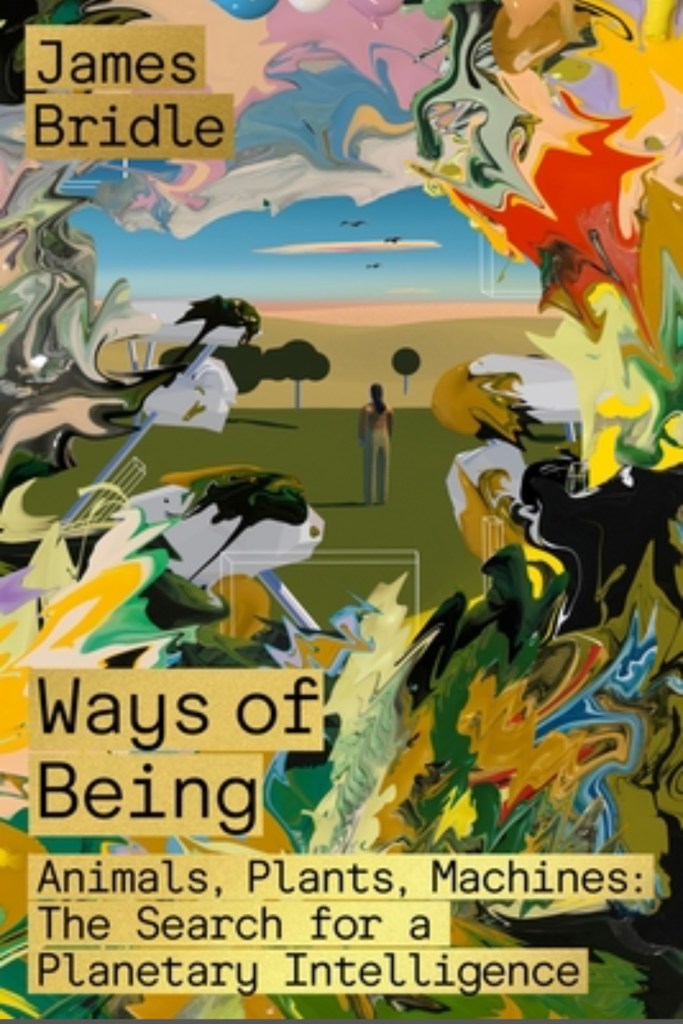
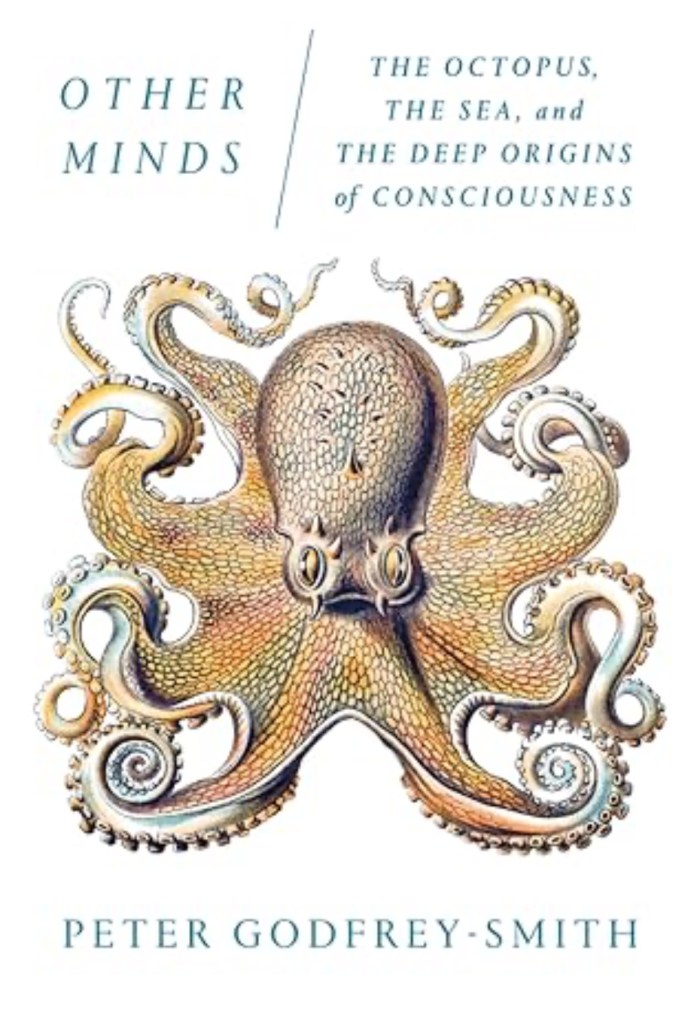
They explore different types of intelligence—not just among animals, but also in plants, bacteria, viruses, fungi, and even machines. It makes you question the uniqueness of our understanding of our role in the wider ecosystem—and what we choose to do with that understanding.
Czech
Poslední dobou hodně přemýšlím o tom, jak se my, lidé, považujeme za nejinteligentnější a nejsofistikovanější bytosti – centrum vesmíru.
Je to ale opravdu tak?
Tato myšlenka je úzce spojena s tím, jak se často chováme sobecky k životnímu prostředí, jiným druhům a dokonce i vesmíru. Jak často přehlížíme dlouhodobé důsledky našeho chování a rozhodnutí, která každý den činíme?
Několik nedávných podnětů mě přivedlo do tohoto víru myšlenek.
Všechno to začalo, když jsem se dívala na seriál Connected na Netflixu. Jak název napovídá, zkoumá hluboce provázanou povahu všeho na Zemi – skutečné efekty motýlích křídel v akci.
Jedna část, která mě opravdu zasáhla, byla ta, kde zkoumali vodu v řekách a mořích znečištěnou odpadními systémy. V jednom příkladu testovali Temži v Londýně a našli zřetelné stopy benzodiazepinů, antidepresiv, antikoncepčních pilulek a drog, jako je extáze, MDMA a kokain.
Můžeme si říct: „No, když to nepijeme a neplaveme v tom, tak je to v pořádku.“ Ale není to tak jednoduché. Voda se dostává do oceánů, vypařuje se do atmosféry a ovlivňuje divokou zvěř. Dokument uvádí studie, které ukazují, že ryby vystavené těmto látkám prokazují více rizikovější chování, což může následně ovlivnit jejich míru rozmnožování a ekosystémy.
Zhruba ve stejnou dobu jsem začala číst dvě fascinující knihy.
Zkoumají různé typy inteligence – nejen mezi zvířaty, ale i u rostlin, bakterií, virů, hub a dokonce strojů. Nutí nás to pochybovat o lidské jedinečnosti a chápání naší role v širším ekosystému – a o tom, co se rozhodneme s tímto chápáním udělat.
 Anna's Brainstorm