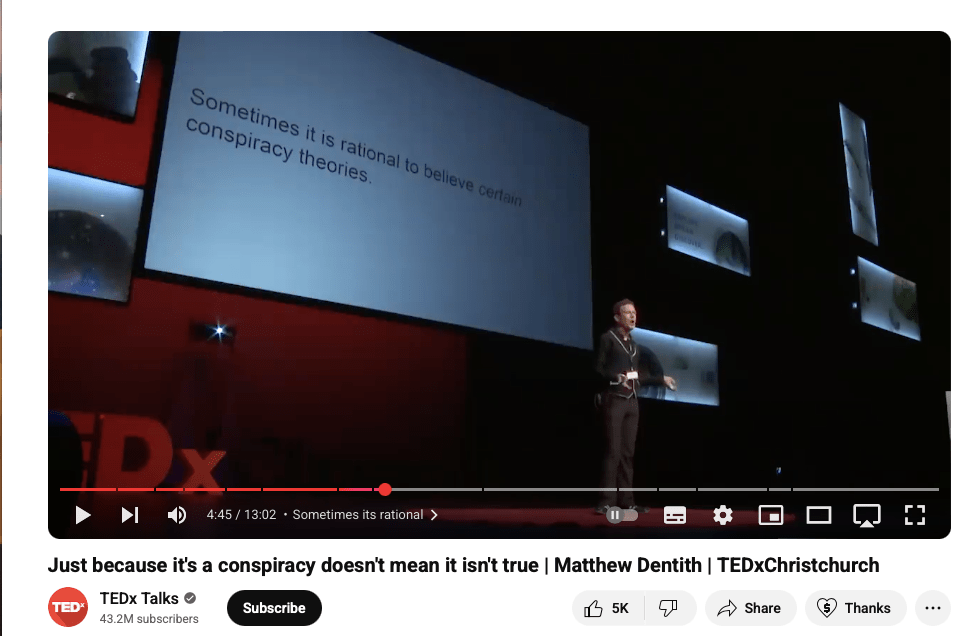
They often say that something is a conspiracy until it isn’t.
I’d like to think of myself as an open-minded person, willing to challenge my knowledge, accept new information and potentially change my existing views. I try not to fall victim to my own cognitive biases.
Researching the topic of vaccines, then, was a real exercise in confronting my own assumptions and prejudices.
It started some time ago but one of the key triggers was reading a book Dissolving Illusions: Disease, Vaccines, and the Forgotten History by Dr. Suzanne Humphries.
The broader issue of vaccines and the vaccine hesitancy – far too complex for a single article.
So, I’d like to focus specifically on the covid vaccines and the controversies surrounding them.
Looking Back: What We Were Told
Let’s remind ourselves: in 2020-2021, there were massive claims by pharmaceutical companies and governments about the efficacy of the vaccine.
When the mRNA vaccines (Pfizer-BioNTech and Moderna) were first released:
Pfizer stated in late 2020: “Our vaccine is 95% effective at preventing COVID-19.”
This was based on symptomatic infection prevention in a short time window.
Officials and public health messaging often implied or outright stated that vaccines would:
“Stop the virus in its tracks”“Prevent infection and transmission”“End the pandemic“
These interpretations were often simplified or overpromised to encourage uptake.
What We Now Know (as of 2025)
I believe most of us can now agree that the messaging at the time was deeply flawed. There were four main issues:
- Rushed communication: Early public health messaging tried to build confidence, but often didn’t explain nuance or uncertainty.
- Trial limitations: The Phase 3 trials didn’t test for asymptomatic spread or long-term efficacy.
- Changing virus: New variants (Delta, Omicron) were more infectious and immune-evasive than the original strain the vaccines were based on.
- Overly optimistic framing: Messaging may have been shaped by the desire to maximize uptake and suppress vaccine hesitancy.
Ongoing Questions
Even today, new revelations and scientific findings continue to emerge—and they bring with them more questions and justified skepticism.
For instance, side effects of the vaccine including myocarditis , neurological problems, or potential decreased fertility as the last scientific study published in the SAGE Journal shows. More data and information will surely appear as the time goes.
If this doesn’t raise some eyebrows, I encourage you to do your own research and to remain inquisitive.
The Political Dimension
If the health concerns aren’t enough, there’s also a political aspect worth mentioning. For example, multiple lawsuits have been filed in relation to Ursula von der Leyen’s private communication with Pfizer regarding vaccine procurement. You can read about it HERE or HERE.
Final Thoughts
I’m well aware this article is already way too long – and I want to be clear: the goal isn’t to change anyone’s mind. Rather, it’s to raise a few questions and encourage critical thinking.
When I say “vaccines”, I don’t mean all vaccines are bad.
For example the new immunotherapy-based vaccine for brain tumours. This is a highly promising field that will hopefully give more options to us patients. I’d like to write more about it in my next article. Stay tuned.
Czech
Nejsem proti očkování, ale…
Často se říká, že něco je „konspirační teorie“ – dokud se neukáže, že to pravda opravdu byla.
Ráda o sobě přemýšlím jako o otevřené osobě, ochotné zpochybňovat vlastní názory, přijímat nové informace a případně měnit své postoje. Snažím se nenaletět vlastním kognitivním zkreslením.
Zkoumání tématu očkování pro mě tedy bylo skutečným cvičením v konfrontaci s vlastními předsudky.
Začalo to už před delší dobou, ale jedním z hlavních spouštěčů bylo přečtení knihy Dissolving Illusions: Disease, Vaccines, and the Forgotten History od lékařky Suzanne Humphries.
Téma očkování a váhavosti vůči němu je obrovské – příliš složité na jeden článek.
Proto se chci zaměřit konkrétně na vakcíny proti covidu a kontroverze, které je obklopují.
Ohlédnutí: Co nám bylo řečen
Připomeňme si: v letech 2020–2021 zaznívala od farmaceutických firem i vlád velmi silná tvrzení o účinnosti vakcín.
Když byly mRNA vakcíny (Pfizer-BioNTech a Moderna) poprvé uvedeny na trh, Pfizer uvedl koncem roku 2020:
„Naše vakcína je z 95 % účinná v prevenci COVID-19.“
Tato čísla se týkala prevence symptomatické infekce v krátkém časovém úseku.
Zástupci úřadů a veřejné zdravotnické kampaně často naznačovali – nebo přímo tvrdili – že vakcíny:
- „virus zastaví“
- „zabrání nákaze a přenosu“
- „ukončí pandemii“
Tato tvrzení byla často zjednodušená nebo přehnaná, aby podpořila zájem o očkování.
Co víme dnes (v roce 2025)
Věřím, že dnes se většina z nás shodne na tom, že tehdejší komunikace byla velmi problematická. Hlavní důvody byly čtyři:
- Uspěchaná komunikace – Veřejné sdělení mělo podpořit důvěru, ale chyběla mu nuance a otevřenost.
- Omezené klinické studie – Fáze 3 nezkoumala bezpříznakové šíření ani dlouhodobou účinnost.
- Měnící se virus – Varianty jako Delta a Omikron byly nakažlivější a lépe unikali imunitní ochraně.
- Příliš optimistický rámec – Komunikace byla možná záměrně upravena tak, aby minimalizovala váhání s očkováním.
Otázky, které přetrvávají
Ani dnes se příběh neuzavírá. Objevují se nová zjištění a vědecké poznatky – a spolu s nimi i nové otázky a oprávněná skepse.
Například vedlejší účinky vakcín, jako je myokarditida, neurologické komplikace nebo možný pokles plodnosti, jak naznačuje i poslední studie publikovaná v časopise SAGE Journal. V budoucnu se jistě objeví další data a informace.
Pokud vás tohle nechává chladnými, opravdu doporučuji si udělat vlastní průzkum a zůstat zvídaví.
Politický rozměr
Pokud zdravotní hledisko nestačí, stojí za zmínku i politická stránka věci.
Například více žalob, které se týkají soukromé komunikace Ursuly von der Leyen s firmou Pfizer ohledně nákupu vakcín. (O tom si můžete přečíst TADY nebo TADY.)
Závěrem
Vím, že tenhle článek už je dost dlouhý – a chci být upřímná: cílem není nikoho přesvědčovat. Chci jen otevřít pár otázek a podpořit kritické myšlení.
Když říkám „vakcíny“, nemyslím tím, že všechny jsou špatné.
Například nová vakcína na bázi imunoterapie pro léčbu mozkových nádorů je velmi slibná – a mohla by v budoucnu přinést nové možnosti pro nás pacienty. Ráda o tom napíšu víc v příštím článku. Tak na “viděnou” příště.
 Anna's Brainstorm
Hello from the UK
Many thanks for your post. I used to think vaccines were of some use but not for the ‘flu as people fell ill anyway. I had never had to consider them before (my last vaccine was tetanus around 1990).
In 2020 when everything went mad over COVID 19 and on furlough I at last had an in depth look and realised we had been deceived.
I have written a great deal about the issues and shoudl you be interested I can attach a link to another comment.
Kind regards
LikeLiked by 1 person
Hello and big thanks for reading and commenting. Please, do share your writings.
LikeLiked by 1 person
Thank you. Here it is. I do have a lateral way of looking at things but I hope it makes sense. I use humour to lighten it at times and I have found anagrams of words very enlightening.
The sublink in that, Covid 19 Summary, contains most of the aspects in numerous further sublinks. Please use as you see fit.
LikeLiked by 1 person