Just finished an interview with Mark Zuckerberg on the Joe Rogan Show from last Summer (better late than never…). He, among other topics, talked about the algorithms Facebook uses to favour certain posts over the others and it made me think.
We all live in a world filled with pain, disease, unfairness, poverty, murders, war and death. Yet, we mostly see posts (on Fb) about people graduating, getting married, curing illnesses, having children and birthday parties. I don’t think I have ever spotted a genuine divorce post, for example. Have you?
I tried to share articles or videos of serious or more complicated issues but they never received the same amount of attention as did the cheery, optimistic or really personal ones. I know, because I see the numbers.
Why is that?
Again, the answer is complex, so go make a cup of tea/coffee, if you believe you’ll loose interest half-way through.
A) It is our human nature to prefer simple, good, easy solutions and loud, visually pleasing messages. That does not come from my own head. This is a basic principle of marketing and individual psychology. And people at Facebook and other social media companies know it very well. Facebook, Instagram, TikTok are “drugs” like any other and the developers are well aware of what sort of content keeps visitors logged in.
B) We mostly avoid topics, which don’t offer easy solutions or are unsolvable/not solved yet and hence we don’t seek them or prefer not to hear them.
(I’m going to provide some context to this post, so you can better understand where I am coming from. A few days ago, I noticed an IG post from a young female with a brain tumour. Allegedly a GBM. Her husband is fundraising money for some miracle cure in Israel (from the description, it sounded like a biological treatment, but nobody gave me any concrete response). Being influenced by The Tinder Swindler on Netflix and having a good insight into the cancer/brain tumour industry, I’m generally pragmatic about these campaigns. So I simply commented that I’ve asked on multiple occasions what cure they will have and that people should be careful where they are sending their money to.
A huge avalanche of hate suddenly turned towards myself. How dare I destroy hope and that I probably envy the brain tumour and the attention it creates.
I SHOULD HAVE LEFT IT. Words of the pure genius of Ricky Gervais.
But after a number of rather funny and uneducated statements I decided to comment, mentioning my own grandmother who died of a GBM, how people spend their earnings is everyone’s business and that the sea is full of sharks.
No further meaningful discussion followed. Which brings me to the final point.)
C) We, generally, prefer not to publicly share a failure. I believe it is a shame thing. In most peoples’ eyes, it’s a humiliation to have an application rejected, relationship failed, a cure not working and “a battle lost”. I, too, have been a perpetrator of such a misdemeanour.
This long article doesn’t have a solution. Maybe just a food for thought. Some of as are hopeful, others are extremely negative and me… just too realistic.
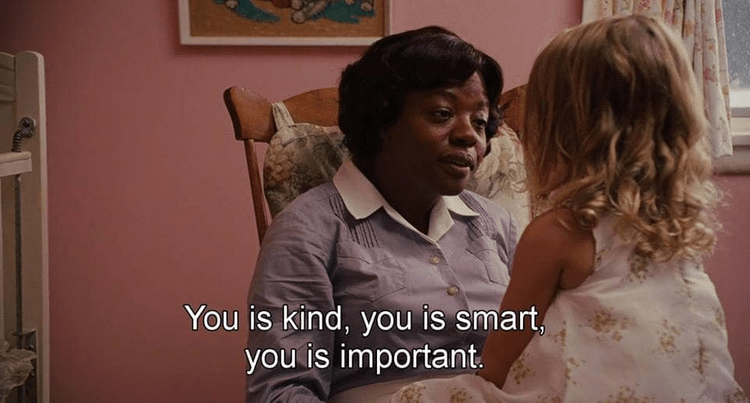
To the brave ones, who remained till the sweet end, here is an image to reward you. Well done!
 Anna's Brainstorm
I’m with you, Anna.
It breaks my heart when I hear people say things like “I’m gonna have this miracle treatment”. But what can you say? It’s hard to tell people that their miracle treatment is just snake oil. I think even the real treatments are oversold.
I think the ‘too much positivity’ thing happens all the way down from the first visit to the neurosurgeon who doesn’t want to tell you that your tumour will probably recur to every encounter with a friend or family and stranger. I don’t think it’s helpful at all. How do they know that “You got this!”
I don’t find ‘hope’ useful as a concept when dealing with brain tumours. I think it just distorts your reality making it harder to plan. I’d rather have accurate information.
LikeLike
Yeah. It’s sad but understandable at the same time. It’s not easy to accept your own finality.
LikeLike